
How to Start Collecting Toys Without Going Broke
- Pick a lane before you pick a figure
- Set a budget and actually follow it
- Learn to spot fakes before you get burned
- Store and display your collection properly
- Know where to find deals
- Key Takeaways
- FAQs
- How much does it cost to start a toy collection?
- What are the most popular toy lines for new collectors in 2026?
- Should I keep toys in the box or open them?
- How do I know if an action figure is fake or bootleg?
- Is toy collecting a good investment?
- Related Posts
You've been staring at a figure on the shelf at Target for three weeks. You keep picking it up, putting it back, and telling yourself you don't need it. Then one day you buy it. Then you buy another one. Then you're on eBay at midnight comparing prices on a figure that came out in 2019, and somewhere between the second and third browser tab you realize: "oh, I'm a collector now".
That's how collecting starts for most of us. No grand plan, no strategy, just something that looks cool and a wallet that's suddenly lighter. The problem is that jumping in without a plan leads to the three things that burn out new collectors fast: overspending, buying fakes, and running out of space. I've made all three mistakes, and I want to help you skip them.
Here's everything you need to know to start your toy collection the right way, from picking a focus to protecting what you buy.
Pick a lane before you pick a figure
The single biggest mistake new collectors make is trying to collect everything. Marvel Legends, Star Wars Black Series, Funko Pops, Hot Toys, anime figures, vintage MOTU. It all looks cool, and all of it costs money.
Start with one line or one franchise. Just one. Here's why: a focused collection looks intentional on a shelf. A scattered one looks like a clearance bin.
Popular starting points:
1. Marvel Legends ($28-60 per figure) is the most accessible line for beginners. Wide character selection, consistent quality, and they're available at retail stores. Standard figures run about $28, deluxe versions hit $60+.
2. Star Wars Black Series ($25-35) has a similar price range and huge character roster. If you grew up on the original trilogy or love The Mandalorian, this is an easy entry point.
3. Pokémon cards ($4-45 per pack) are one of the most beginner−friendly collectibles out there. You can grab a single booster or a booster bundle for around $25–70. The thrill of pulling a rare holographic or full-art card is addictive, and the community is massive. Just set a budget before you start ripping packs.
4. Blind boxes ($10–20 per box) from brands like Sonny Angel, Labubu, and Pop Mart have exploded in popularity. Each box is a mystery, which makes every purchase feel like an event. They're small, affordable, and display well on a desk or shelf. The trading and swapping culture around blind boxes also makes it a social hobby.
Don't pick what you think will be valuable. Pick what you actually want to look at every day. The collectors who stick with this hobby long-term are the ones who genuinely love what's on their shelf.
Set a budget and actually follow it
The toy collecting hobby has exploded in recent years. Adults now account for 28% of all toy sales worldwide and U.S. kidult spending hit $1.8 billion in Q1 2025 alone. That's a lot of people spending a lot of money on plastic and shiny cardboard.
Here's what I recommend for beginners:
- Set a monthly cap. $50-100/month is a solid starting range. That's 1-3 Marvel Legends figures or 4-6 Funko Pops. Enough to build a collection without stressing your bank account.
- Track what you spend. Use a spreadsheet, a notes app, whatever works. When you can see the total, you make better decisions.
- Wait 48 hours on anything over $50. The impulse buy is real in this hobby. If you still want it in two days, go for it. Half the time you won't.
- Pre-orders are your friend. Most new releases are available for pre-order at retail price months before they ship. Pre-ordering beats paying scalper markup after something sells out.
The hobby should be fun, not stressful. If a figure is making you anxious about money, it's not worth it. There's always another release.
Learn to spot fakes before you get burned
Bootleg figures are everywhere. Marketplace apps, third-party Amazon sellers, random eBay listings with one blurry photo. A fake Marvel Legends figure might look fine in a listing, but you'll know the second you hold it. The plastic bends where it shouldn't. The paint looks like it was applied by someone who'd never seen the character. Sometimes the box has spelling errors. Sometimes it just smells wrong.
Fake Pokemon cards have gotten harder to spot too. A bad fake is obvious, but a decent one can fool you at a glance. The card stock gives it away though. It feels thinner, almost papery. Colors run a little hot or a little washed out compared to the real thing. Flip the card over and check the blue on the back, because fakes never get that shade right. Real cards also have a thin black core layer in the card stock. Tear a junk common in half (seriously, sacrifice one) and you'll see it. No dark line? Fake. And if the holo shimmer looks like it's sitting on top of the card instead of in it, pass. Someone in the Pokemon community who catches fakes and shady businesses quickly is @RattlePokemon.
So how do you actually avoid getting burned?
Buy from places that have something to lose. Target, Walmart, Entertainment Earth, BigBadToyStore, Dorkside Toys. For Pokemon cards, the Pokemon Center site or a local game store you trust. Stay away from bulk lots of "ultra rare" cards on Mercari or Facebook. Nobody is selling a stack of hits for $20 because they "lost interest."
Price is the easiest filter. A figure that retails for $25 listed at $9 isn't a deal unless its a unpopular figure. A booster box going for half of what every other seller charges isn't a lucky find. You know what it is a SCAM.
Packaging is worth checking too. Bootleg boxes have blurry printing, wrong logos, missing info. Fake card packs have slightly off font sizes or shrink wrap that doesn't sit right. Once you've handled enough real product, fakes start looking obviously wrong.
Then there's the feel. Real figures use firm plastic. Bootlegs are cheap and bendy. If it smells like a shower curtain, put it down. Real Pokemon cards snap when you flick them. Fakes just kind of bend and feel waxy.
Seller reputation matters more than listing photos. On eBay, check for sellers with a long history of positive reviews. On Facebook Marketplace, ask for more photos before you drive anywhere. And if you're dropping real money on a card, just buy graded (PSA, CGC, or Beckett). Someone already authenticated it so you don't have to guess.
For secondhand or vintage stuff, look up what the original should look like before you buy. The Fwoosh and Toyark have photo galleries of most major figure releases. For cards, check TCGPlayer or PriceCharting to see what the card should look like and what it's actually selling for.
Store and display your collection properly
You bought the figures. Now don't ruin them. Sunlight, dust, and humidity are the three enemies of every collection.
If you're keeping figures in-box (MOC/MIB): Store them in a climate-controlled room, not a garage or attic. Temperature swings warp packaging and yellow plastic. Stack boxes carefully, heavier ones on the bottom, and never stack more than three or four high.
If you're opening and displaying: Get a display case with a door. Even a cheap IKEA BAGGEBO ($40) keeps dust off your figures. Open shelving means cleaning every figure every couple of weeks, and nobody wants to do that.
A few things that make a real difference:
- Acrylic risers ($10-15 per shelf) let you tier figures so the ones in back are visible.
- LED strip lights ($15-20) transform a basic shelf into something that looks like a retail display.
- Museum putty ($5) keeps figures standing through door slams, passing pets, and minor earthquakes.
Don't put your collection near windows. UV light fades colors and yellows white plastic over time. If your only option is a sunny room, UV-filtering film on the glass ($10-15) blocks 99% of the damage.
Know where to find deals
You don't have to pay full price for everything. Here's where I've found the best deals over the years:
- Clearance aisles at Target, Walmart, and Ross. Rosscon is a sometimes a vibe if you can catch great collectibles. Figures that didn't sell drop to 50-75% off. Some of those clearance finds end up being worth more than retail a couple months or a year later.
- Facebook Marketplace and local collector groups. People downsizing their collections often price below market. Meet in a public place and inspect before paying.
- eBay auctions (not Buy It Now). Auctions that end at weird hours often go for less than expected. Set a max bid and walk away.
- Toy shows and conventions. Vendors at smaller local toy shows are often willing to negotiate, especially near the end of the day when they don't want to pack everything back up.
- Pre-order windows. I mentioned this already, but it's worth repeating. Retail pre-orders are almost always cheaper than aftermarket prices.
The collector market is a $43.4 billion industry in 2026. There's no shortage of product or places to buy. Take your time and shop smart.
Frequently Asked Questions
How much does it cost to start a toy collection?
You can start for under $50. A couple of Marvel Legends figures ($28 each) or a handful of Funko Pops ($12-15 each) is enough to get going. The hobby scales with your budget. Some collectors spend $50/month, others spend $500. Set a number you're comfortable with and build from there.
What are the most popular toy lines for new collectors in 2026?
Marvel Legends and Star Wars Black Series are the most popular 6-inch action figure lines, with strong retail availability and prices between $25-56. Funko Pops remain the most affordable entry point at $12-15 for commons. For anime fans, S.H. Figuarts and Figma figures ($50-80+) offer premium quality. Designer toys like Labubu clip bags are also trending, but the crazy hype has died out and settled a bit now.
Should I keep toys in the box or open them?
There's no wrong answer. Mint-in-box (MIB) figures hold resale value better, but opened figures are more fun to pose and display. Most collectors I know open figures they want to display and keep sealed boxes for pieces they think will appreciate. Collect the way that makes you happiest, not the way you think will make you the most money. Opening blind boxes and Pokemon card packs are exciting, but a gamble. Only open what you can afford!
How do I know if an action figure is fake or bootleg?
Check three things: the plastic quality (authentic figures are firm, bootlegs are soft and bendy), the packaging (look for blurry printing, misspellings, or missing manufacturer info), and the price (if it's drastically below retail, it's probably fake). Buy from authorized retailers like Target, BigBadToyStore, or Entertainment Earth to avoid the problem entirely. Ahem... or Pando Market in the future!
Is toy collecting a good investment?
Some figures and cards appreciate significantly, especially limited runs, chase variants, rare pulls and in-person exclusives. But collecting primarily for profit is a bad strategy. The market is unpredictable, and you'll enjoy the hobby more if you buy what you love. If something you own happens to increase in value, that's a bonus, not the point.
Enjoyed this? Get collector insights delivered weekly.
Join the Bamboo Club for weekly collector tips, trends, and exclusive finds.
By subscribing you agree to receive Pando Market marketing emails. We will email you a link to confirm. Unsubscribe anytime. See our Privacy Policy.
Related Posts
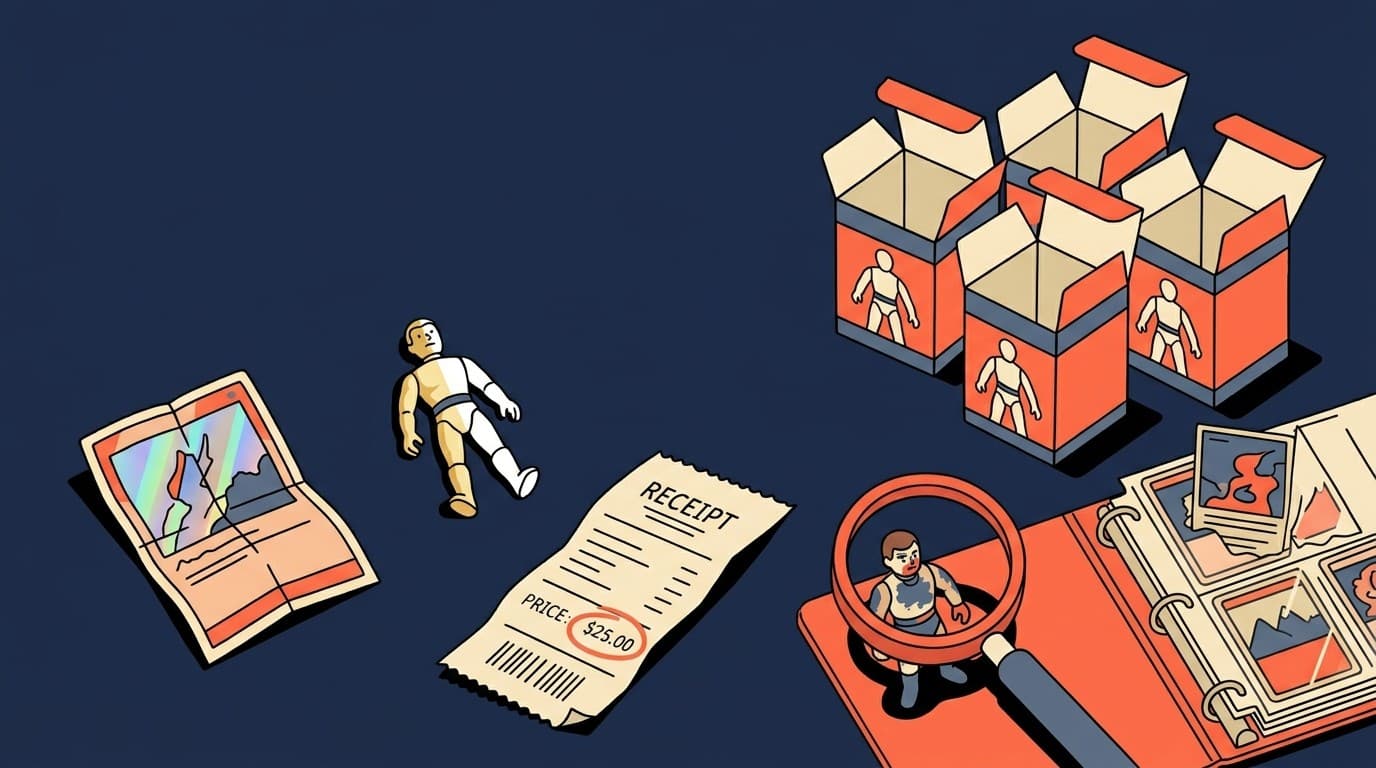
Avoid the most common toy collecting mistakes. Learn how to spot fakes, store collectibles properly, set a budget, and stop overpaying on the aftermarket.
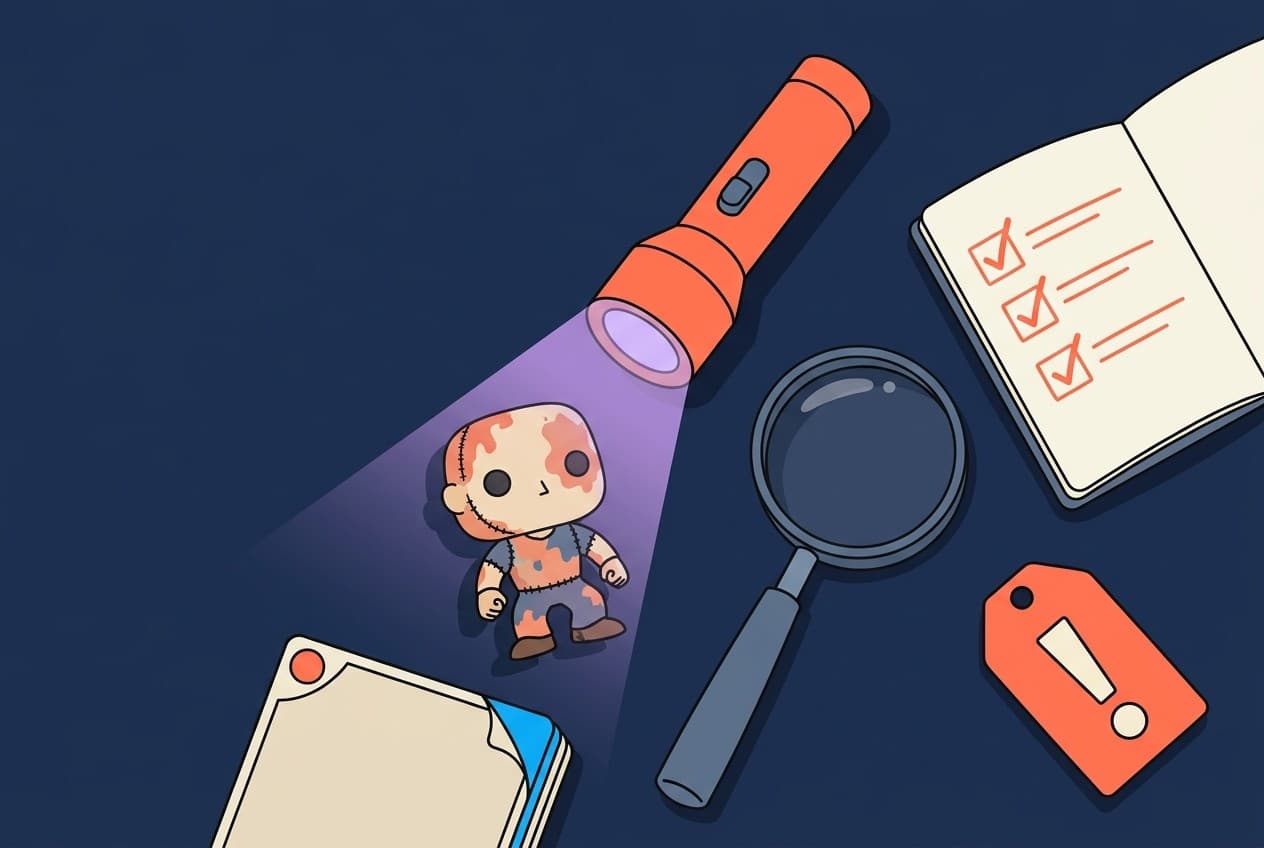
Learn how to spot fake collectibles across action figures, Labubu blind boxes, Funko Pops, and trading cards. Protect your collection and your wallet.