
How to Spot Bootleg Collectibles, Toys, and Trading Cards
- The price test comes first
- The Lafufu problem: fake Labubu bag clips are everywhere
- Check the packaging and the product
- Where fakes show up most (and where to buy safely)
- Verification resources worth bookmarking
- Key Takeaways
- FAQs
- What's the difference between a bootleg, a knockoff, and a third-party figure?
- Are bootleg toys dangerous?
- How do I tell a real Labubu from a fake Lafufu?
- Can I get a refund if I bought a fake collectible on eBay or Amazon?
- Are all cheap figures from China bootlegs?
- Related Posts
That $15 Labubu bag clip on TikTok Shop looks exactly like the one that sold out in minutes at Pop Mart. The Marvel Legends figure on eBay is half the retail price and the seller has decent reviews. The Nendoroid on AliExpress is $20 when it normally goes for $60. Are any of these real?
Probably not. And this isn't a small problem. U.S. customs seized more than 280,000 counterfeit toys in fiscal 2024, worth over $7 million. In the UK, 259,000 fake toys were stopped at the border in 2025, and three out of four failed basic safety checks. We're not just talking about getting ripped off here. Some of these fakes tested positive for banned chemicals.
I've been paying closer attention to this over the past year, and I want to walk through what I've learned about spotting fakes across figures, blind boxes, and trading cards.
The price test comes first
If the price is significantly below retail, something is wrong. Always start here.
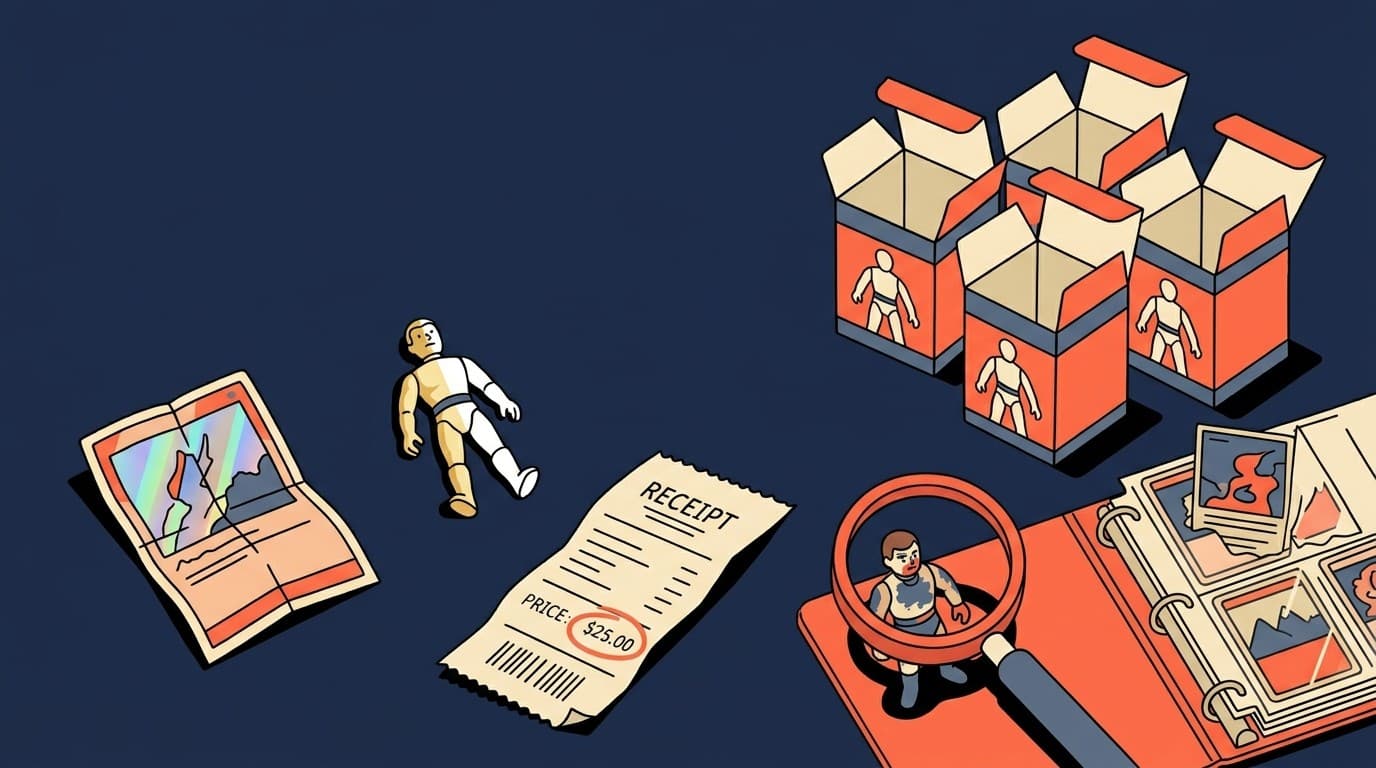
A standard Marvel Legends figure retails for $25-35. If someone's selling one for $8-12, that's a bootleg. A Pop Mart Labubu blind box runs $17-20 at retail. A $6 version on a marketplace app isn't a deal, it's a fake. Funko Pops that retail for $15 don't show up legitimately at $4.
Bootleggers can sell at those prices because their manufacturing costs are a fraction of the real thing. No licensing fees, no safety testing, no quality control. The savings aren't being passed to you out of generosity.
This doesn't mean every discounted figure is fake. Clearance sales, collection downsizing, and damaged-box deals are all legitimate. But a figure that's 50-70% below retail from an unknown seller? Walk away.
The Lafufu problem: fake Labubu bag clips are everywhere
If you've been anywhere near the blind box community in 2025, you've seen this firsthand. "Lafufu" started as a tongue-in-cheek nickname collectors gave to counterfeit Labubus, combining "fake" with the character's name. Other variants popped up: Lagogo, Lababa, Lapoopoo. What started as a joke turned into a full-blown counterfeiting crisis.
Chinese authorities seized more than 1.8 million fake Labubu dolls intended for export since early 2025. U.S. Customs and Border Protection grabbed over 11,000 counterfeits worth $500,000 in a single Seattle airport seizure in September 2025. In the UK, 200,000 counterfeit Labubus accounted for roughly 90% of all fake toys seized that year. Pop Mart even sued a group of 7-Eleven stores in California for selling fakes and trademarked the name "Lafufu" as a defensive move.
Here's how to tell real from fake:
- Count the teeth. Authentic Labubu have exactly nine small, evenly spaced teeth. More or fewer? Counterfeit.
- Scan the QR code. Real Pop Mart products have a QR code on the box that directs to their official verification page.
- Check the tags. Look for an engraved Pop Mart tag and the artist name on the figure's foot. The tag material should feel like quality fabric or premium printed paper, not flimsy cardstock.
- Try a UV light. This one's fun. Shine a UV or blue light on the foot and a laser-etched logo appears on authentic pieces. The eyes and teeth glow too.
- Feel the vinyl. Authentic Labubus have smooth, consistent vinyl with clean paint. Fakes feel rougher, show visible seam lines, and the colors sit a little off from what you see in official photos.
One more thing to watch for: scammers have started putting counterfeit figures inside real Pop Mart boxes. So even if the packaging looks right, inspect the actual figure.
The safety angle matters here too. In August 2025, the U.S. Consumer Product Safety Commission issued an urgent warning about lookalike Labubu dolls, citing choking risks. Nearly 250,000 fake dolls detained in the UK tested positive for harmful chemicals. If you're buying one for yourself, that's your call. But these get given as gifts to kids all the time, and that's where it gets scary.
Check the packaging and the product
Labubu gets the headlines, but fakes exist in every corner of this hobby. Here's what to look for by category.
Action figures (Marvel Legends, Star Wars Black Series, McFarlane DC): Authentic figures use firm, well-molded plastic. Bootlegs feel soft, bendy, and often have a harsh chemical smell right out of the box. Paint is the biggest tell. Real figures have clean paint lines, especially around the eyes and small details. Bootleg paint bleeds, skips, and looks muddy. Joints on fakes are loose or overly stiff, and parts sometimes fall off without much force. On the box, look for blurry printing, incorrect logos, or missing manufacturer information. If anything looks slightly off compared to official product photos, trust your gut.
Nendoroids and anime figures: Bootleg Nendoroids have a distinct shiny appearance on the face, while authentic ones are matte. If the face plate looks glossy, that's a red flag. The joints on fakes are terrible. Parts fall off without being touched. Authentic Nendoroids come with a Good Smile Company authenticity sticker and the company name on the packaging. Missing either? Probably fake. Good Smile maintains a bootleg information page with comparison photos.
Funko Pops: Fake Pops feel lighter and rougher than real ones. The heads are sometimes smaller or slightly distorted. Inside the box, authentic Pops have a well-fitted clear plastic shell holding the figure in place. Fakes use cheap, thin plastic or skip the insert entirely. Recent Funko releases include matching serial numbers on the box and figure, and you can verify through the Funko app. The logo alignment and print quality on the box are usually the fastest visual check.
Trading cards (Pokemon, sports, TCG): The card stock is your first clue. Real Pokemon cards have a distinct feel, a clean edge, and a visible blue core layer when you look at the cross-section of the card. Fakes feel thinner or waxy, and that blue core is usually missing or a different color. Holographic patterns on authentic cards are consistent and sharp. Fakes have blurry or uneven holographics. The "light test" works too: hold a real card up to a bright light and you'll see some light through it. Most fakes are either too opaque or too transparent.
Where fakes show up most (and where to buy safely)
Where you buy matters almost as much as what you're buying.
Highest risk: AliExpress, Wish, Temu, and TikTok Shop, though TikTok shop has legitimate sellers just be sure they have sales and have a legitimate business. Some sellers on these platforms are upfront about selling "inspired" or "compatible" versions. Many are not. If you're buying collectibles here, assume you need to verify everything yourself.
Medium risk: Amazon (third-party sellers), Facebook Marketplace, and flea markets. On Amazon, the "Sold by" line matters. "Sold by Amazon.com" is safe. Third-party sellers are a gamble even with good ratings. Facebook Marketplace works for local deals if you inspect in person before paying cash. Flea markets can be great, but bootlegs get mixed in with the real stuff.
Lower risk: eBay. Buyer protection is strong here, so if you do get a fake, you can get your money back. Still, prevention beats refunds. Check the seller's feedback for the specific category. Someone with 5,000 positive reviews selling phone cases doesn't tell you much about whether their Marvel Legends are authentic.
Safest: Buy from authorized retailers and official brand stores. For figures: Target, Walmart, Entertainment Earth, BigBadToyStore, Dorkside Toys, and BBTS. For Pop Mart: official Pop Mart stores, the Pop Mart app, Robo Shops, and their verified Amazon storefront. For Funko: authorized retailers or Funko.com directly. For trading cards: your local game store, Pokemon Center, or established card shops.
If you're still building your eye for spotting fakes, just stick to authorized retailers. I covered safe buying sources in the how to start collecting toys without going broke guide, and the short version is: buying from known retailers eliminates the problem before it starts.
Verification resources worth bookmarking
When you're second-guessing a listing or a figure you already bought, these are worth having on hand:
- Pop Mart Authenticity Check (popmart.com/us/help/authenticity-check): Scan the QR code on any Pop Mart product to verify it against their database.
- Good Smile Company bootleg info: Their support page has detailed comparison photos showing real vs. fake Nendoroids, figma, and other products.
- MyFigureCollection: Community-driven database where collectors flag known bootlegs and share comparison photos. Search for your figure and check the comments before buying.
- Funko App: Scan or search any Funko Pop to check against their official database. Useful for verifying serial numbers on recent releases.
- The Fwoosh and Toyark: Both sites have extensive photo galleries of authentic releases. Compare your figure or listing photos against their reviews for a visual match.
- eBay sold listings: When checking prices, filter by "Sold" to see what items actually sell for. If the listing you're looking at is way below the sold average, question why.
I touched on some of these red flags in the collecting mistakes post, but it deserved a fuller treatment. The fakes are getting better every year. The good news is that the tells are still there if you know where to look.
Frequently Asked Questions
What's the difference between a bootleg, a knockoff, and a third-party figure?
A bootleg is an unauthorized copy that tries to pass itself off as the real product, same branding, same packaging, same character. A knockoff is a similar-looking product that uses a different name or brand to avoid direct trademark infringement (like those "Super Hero" figures at dollar stores). Third-party figures are legitimate products made by companies other than the original license holder. Some third-party figures are licensed, some aren't, but they're typically sold under their own brand name rather than pretending to be something they're not.
Are bootleg toys dangerous?
They can be. In 2025, three out of four counterfeit toys that were tested at UK borders failed basic safety checks. The U.S. flagged over 100,000 toys with hazardous levels of lead and phthalates in the first half of 2025 alone. Bootleg manufacturers skip safety testing entirely, so you're trusting unknown materials. That's bad enough for adult collectors, but it's worse when these get given to kids. The U.S. Consumer Product Safety Commission specifically warned about fake Labubu dolls posing choking risks.
How do I tell a real Labubu from a fake Lafufu?
Count the teeth first: real Labubu bag clips always have exactly nine. Then scan the QR code on the box, which should direct to Pop Mart's official verification page. Check for the engraved Pop Mart tag and artist name on the figure's foot. Under UV light, authentic pieces show a laser-etched logo on the foot, and the eyes and teeth glow. If you're buying secondhand, inspect the figure itself, not just the box, since scammers sometimes put fakes inside authentic packaging.
Can I get a refund if I bought a fake collectible on eBay or Amazon?
On eBay, yes. Their money-back guarantee covers counterfeit items, and you can file a claim through their resolution center. Amazon's A-to-Z guarantee similarly covers counterfeit products from third-party sellers, though the process can take longer. Keep photos of the item and packaging as evidence. On platforms without buyer protection (Facebook Marketplace, local meetups), your options are limited, which is why inspecting in person before paying cash is important.
Are all cheap figures from China bootlegs?
No. Most legitimate collectibles are manufactured in China. Official Marvel Legends (Hasbro), Funko Pops, and Nendoroids (Good Smile) can come from Chinese factories, but have been starting to be manufactured in South East Asia like Thailand and Vietnam. The factory location doesn't determine authenticity. What separates a real figure from a bootleg is licensing, material quality, and whether anyone bothered with safety testing. Plenty of genuine products ship from China every day.
Enjoyed this? Get collector insights delivered weekly.
Join the Bamboo Club for weekly collector tips, trends, and exclusive finds.
By subscribing you agree to receive Pando Market marketing emails. We will email you a link to confirm. Unsubscribe anytime. See our Privacy Policy.
Related Posts
Avoid the most common toy collecting mistakes. Learn how to spot fakes, store collectibles properly, set a budget, and stop overpaying on the aftermarket.
Everything a new collector needs to know about picking a focus, setting a budget, spotting fakes, and displaying figures as a beginner.